
Hong Kong Finance Worker Loses $25M in Deepfake Fraud
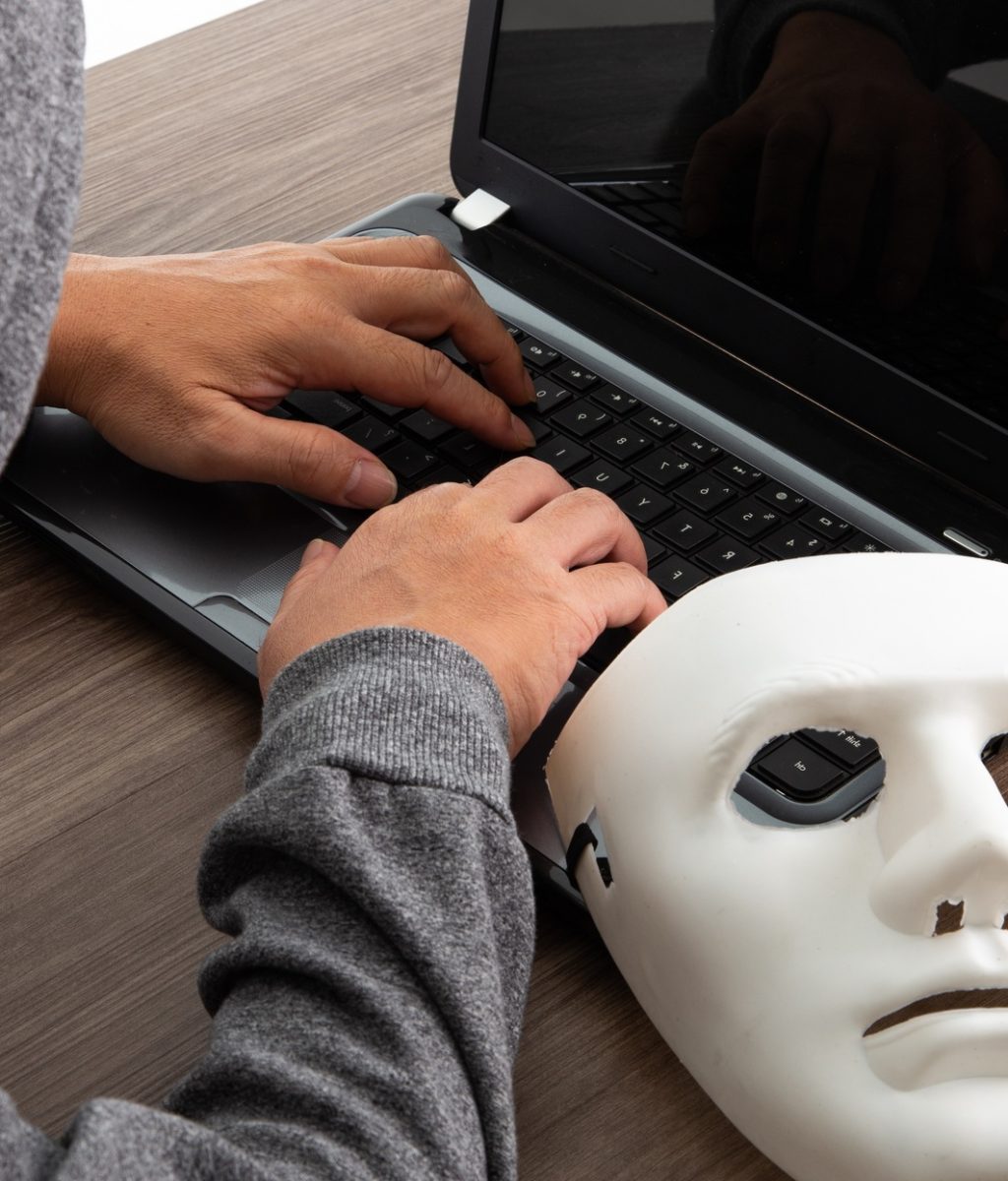
Hong Kong Finance Worker Loses $25M in Deepfake Fraud
In early 2024, a shocking case in Hong Kong revealed how artificial intelligence can be weaponized to infiltrate corporate systems and manipulate even the most trained professionals.
A finance employee of a multinational company was deceived into transferring over $25 million after attending a video call populated entirely by deepfake participants—including a fabricated version of the company’s Chief Financial Officer (CFO).
This alarming event has raised global concerns about the growing sophistication of AI-based scams and the urgent need for awareness and security.
The Rise of Deepfake Fraud in Corporate Settings
Deepfakes are digitally altered videos or audio clips that use artificial intelligence to replicate human appearance and speech patterns with uncanny accuracy.
Originally developed for entertainment and creative purposes, the technology has rapidly evolved into a tool for criminal activity—particularly in financial and corporate environments.
The incident in Hong Kong is just one in a series of AI-enhanced scams. According to Hong Kong authorities, the finance employee received an email allegedly from the UK-based CFO requesting a secret transaction.
At first, the employee suspected phishing, but doubts were erased after a video conference that appeared legitimate. The deepfake participants looked and sounded like familiar coworkers, including the CFO himself.
Convinced by the illusion, the employee proceeded to transfer over HK$200 million (about US$25.6 million).
This scam is notable not only for the amount of money lost, but for the complexity and technological expertise involved. Instead of relying on generic messages or spoofed phone calls, the fraudsters created a digital theater in which the entire setting—from facial expressions to voice tones—was convincingly faked using AI-generated personas.

This wasn’t a one-off case. Authorities in Hong Kong reported additional scams where deepfakes were used to defeat facial recognition systems in banks, using stolen IDs. Between July and September of the previous year, at least 20 such incidents were confirmed, highlighting how AI can be used to bypass biometric security—a method previously thought to be secure.
Why Businesses Must Prioritize AI Scam Preparedness
The traditional approach to cybersecurity—firewalls, antivirus programs, and password protection—is no longer sufficient in the age of generative AI. Deepfakes add a psychological element to scams, exploiting trust rather than technical vulnerabilities. This elevates the threat to a human level, where the target’s recognition of voices, faces, or gestures becomes the primary point of manipulation.
Here are several reasons businesses must take immediate action:
1. The Illusion of Familiarity:
Employees are more likely to comply with requests from someone they know or believe they know. A realistic video or voice message from a “manager” can override internal warning systems.
2. Exploiting Remote Work Culture:
As hybrid and remote work environments become standard, video conferencing is the norm. Deepfake fraudsters are exploiting this familiarity to make their scams more believable.
3. Speed of Development:
The barrier to entry for creating deepfakes is lower than ever. With freely available tools, even non-technical individuals can produce convincing deepfake videos in a matter of hours.
4. Legal and Reputational Risk:
Aside from the financial damage, organizations hit by deepfake scams face reputational fallout and potential legal action for failure to protect data and assets.
5. Complexity of Detection:
Even trained IT staff and employees often cannot distinguish a well-made deepfake from reality. Human perception is easily fooled by emotion, familiarity, and urgency—exactly what these scams exploit.
Preventive Measures and Employee Training
While the rise of AI-powered scams may sound dystopian, there are practical and immediate steps that businesses can take to protect themselves.
Here’s what every organization should consider:
1. Multifactor Verification Protocols:
Every high-value transaction or data request should require verification through at least two independent channels. For example, if a request comes via email or video, it should be verified by a separate phone call or internal ticketing system.
2. Educate and Train Staff Regularly:
Awareness is the best line of defense. Employees must be trained to identify behavioral red flags—like unexpected urgency, secrecy, or strange phrasing—and know how to escalate suspicions appropriately.
3. Establish Internal “Safe Words” or Codes:
For sensitive communications, some companies are adopting internal code phrases known only to staff. These can be used to confirm authenticity during video or voice communications.
4. Update Video Conferencing Policies:
Restrict the use of external or unknown video conferencing tools. Ensure that all meetings use company-secured platforms and that participant identities are confirmed before sensitive topics are discussed.
5. Invest in Deepfake Detection Tools:
Several AI-powered tools now exist to detect manipulated media. These tools analyze micro-expressions, voice modulation, and pixel inconsistencies. While not foolproof, they can serve as a second layer of verification.
6. Use AI Against AI:
Some cybersecurity firms are developing counter-deepfake algorithms that flag anomalies in speech cadence, lighting inconsistencies, or background mismatches. Employing AI for internal surveillance may soon become standard practice.
Conclusion: A New Frontier in Digital Trust
The case of the Hong Kong employee tricked into transferring millions highlights a pivotal shift in cybersecurity: the battleground is no longer limited to firewalls and networks but extends into the domain of human interaction. Fraudsters are using AI to replicate trust, impersonate authority, and manipulate emotions—areas where software alone cannot provide full protection.
Organizations must now ask not only “Are our systems secure?” but “Are our people prepared?” As AI-generated content becomes more difficult to distinguish from reality, vigilance, policy reform, and continuous education will be critical to preserving trust and protecting assets.
The war on cybercrime is evolving, and in the age of deepfakes, the human firewall—trained, alert, and empowered—is more important than ever.
Remember to visit our blog to stay updated on the latest happenings in South Florida and other interesting news at B2B-Live.com.