What Role Does Social Media Play in Latin American Political Movements Today?

Social Media’s Expanding Influence in Civic Life
In recent years, social media has evolved into a powerful tool for communication, organization, and activism. In Latin America, where civic participation is often challenged by inequality, mistrust in institutions, or limited press freedom, digital platforms are playing an increasingly vital role in political discourse and mobilization.
From organizing peaceful marches to exposing social injustices, citizens are turning to apps like WhatsApp, Instagram, Facebook, and X (formerly Twitter) to amplify their voices. These platforms have become more than just social spaces—they are now digital arenas where political awareness is raised, collective action is planned, and change is pursued.
This article explores the essential role social media plays in modern political movements across Latin America, its benefits, challenges, and its real potential to drive transformation.
How Is Social Media Empowering Civic Participation Today?
Social media has become a key enabler for individuals and grassroots groups to organize, communicate, and influence. In environments where traditional media may be inaccessible, biased, or tightly regulated, these platforms offer a more open and immediate way to reach the public.
People use social media to:
-Share real-time updates from the ground during protests or campaigns.
-Educate others on civic rights, proposed laws, or social issues.
-Create awareness through visuals, videos, and simplified messages.
-Build solidarity across regions and demographic groups.
These platforms break geographical and social barriers, allowing individuals who were previously disconnected from political discourse to engage in meaningful dialogue and participate in collective actions. Whether through sharing a story, joining a live stream, or contributing to a trending topic, the barrier to entry in political engagement has been dramatically lowered.
What Are the Limitations and Risks of Digital Activism?
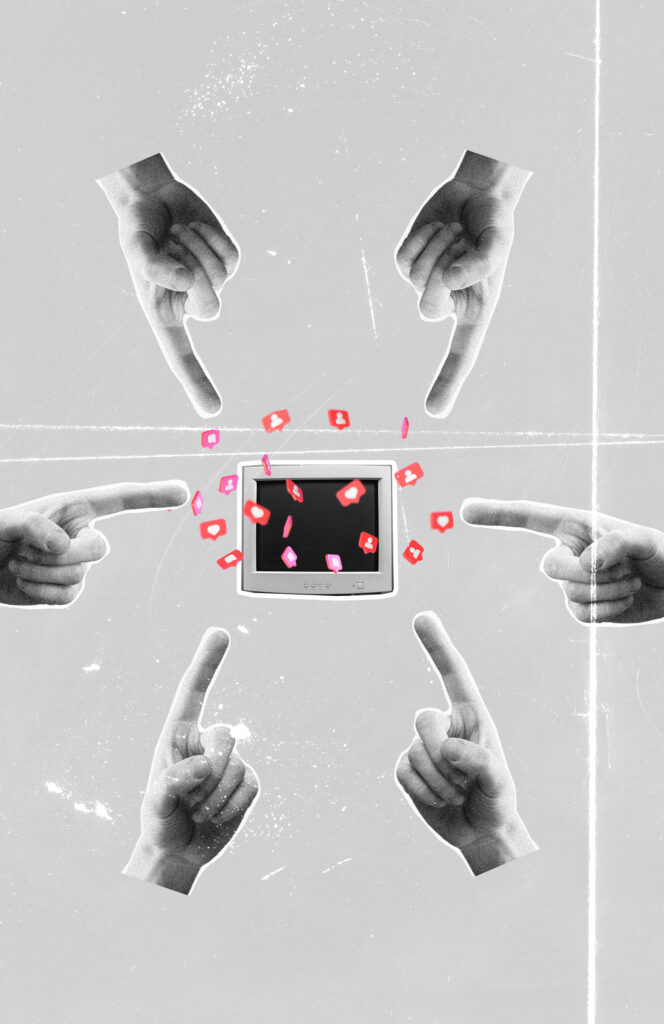
Despite its transformative potential, social media is not without significant risks and challenges, particularly in regions with political instability or weak digital protections.
Misinformation and Polarization
The open nature of social media allows misinformation to spread quickly. Algorithms favor emotionally charged content, which can escalate tensions and deepen divides. This can mislead the public or discredit genuine civic efforts.
Surveillance and Online Harassment
Activists and organizers often face digital surveillance or intimidation. Authorities or opposition groups may monitor online behavior, making public engagement risky for those leading or supporting civic causes.
Digital Divide
Not everyone has reliable access to the internet or digital literacy. Rural communities, low-income households, and older adults may be excluded from the conversations and campaigns happening online.
Short-Lived Engagement
Social media trends can be fleeting. While a post or hashtag may go viral quickly, the momentum often fades just as fast, making it difficult to sustain long-term change.
Digital activism requires strategic thinking, digital safety practices, and complementary offline efforts to overcome these limitations and maintain credibility and impact.
Can Online Movements Lead to Real Political Change?
Social media can be a catalyst—but not a substitute—for real political change. Online momentum alone is rarely enough. Successful movements typically combine digital efforts with grassroots organizing, policy advocacy, and institutional engagement.
Digital tools serve important functions:
Raising visibility: They make issues more visible to the general public and media.
Mobilizing supporters: They help coordinate gatherings, petitions, and actions across large areas.
Shaping narratives: They provide space to present alternative perspectives and challenge dominant discourse.
However, meaningful transformation usually requires actions beyond the screen: meetings with policymakers, community outreach, legal initiatives, and sustained pressure.
Moreover, not all online campaigns are organic. There are increasing concerns about coordinated misinformation, paid influencers, or automated accounts used to simulate public opinion. These tactics can dilute real activism and mislead citizens.
To harness the full potential of social media, civic actors must prioritize credibility, transparency, and collaboration—turning digital engagement into measurable impact.
Conclusion: The Role of Social Media in a Changing Latin America
Social media is changing the way people in Latin America interact with politics and civic life. It empowers individuals to speak out, connect, and mobilize—especially in spaces where traditional systems fall short. It offers visibility, speed, and reach that were unimaginable just a decade ago.
Yet, its power comes with responsibility. Activists, organizers, and engaged citizens must navigate misinformation, digital surveillance, and the limits of short-term attention spans. While not a solution in itself, social media can be a critical tool in the broader ecosystem of civic participation.
The future of political engagement in Latin America will likely continue to blend the digital and the physical, requiring not only voices online but also action on the ground. Social media is not the destination—it’s the bridge.
Remember to visit our blog to stay updated on the latest happenings in South Florida and other interesting news at B2B-Live.com.